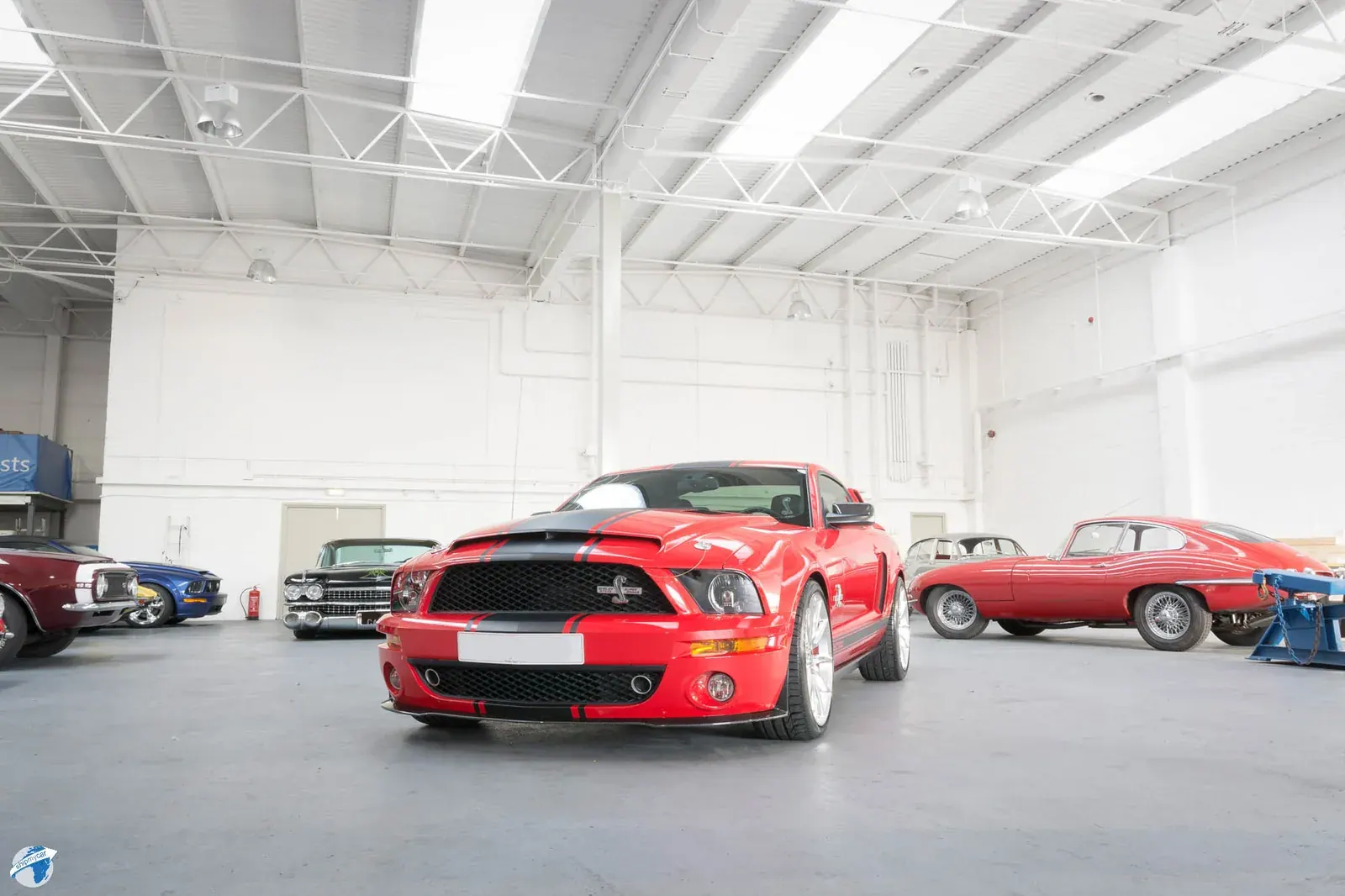
The early S197 Mustang
The 2005–2009 Mustang is the early version of Ford’s fifth-generation S197: recognisable for its retro body shape, round headlamps and three-part rear lights. The regular range includes the 4.0-litre V6 and 4.6-litre V8 GT, in coupé and convertible forms. Roush, Cervini and Shelby cars add their own character, making a sympathetic conversion particularly important.
This guide covers the 2005–2009 body style. We check the model year, existing lamps and any previous modifications before specifying the work. Ford’s 2009 Mustang owner’s manual is a useful reference for the standard car’s equipment and engine options.
Does a 2005–2009 Mustang still need IVA?
For a normal US-specification car imported today, the usual route is lighting conversion, MOT and DVLA registration. These Mustangs are now over ten years old and will generally fall within the age exemption from vehicle approval. That does not remove the need for roadworthy lighting or an MOT.
We confirm the route from your car’s age, documents and registration history. Different rules can apply to vehicles with EU type approval. See the current GOV.UK vehicle approval exemptions. If your particular vehicle does require IVA, we can advise on the additional preparation.
UK lighting, with a factory finish
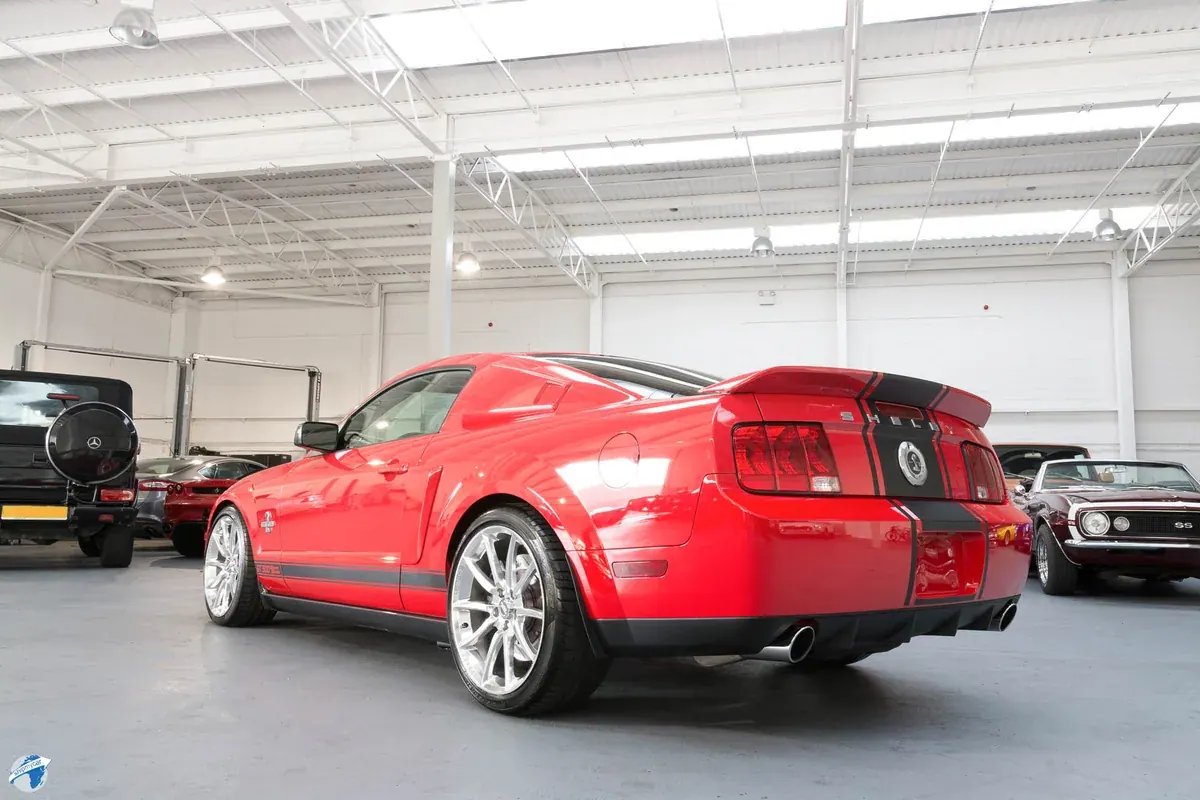
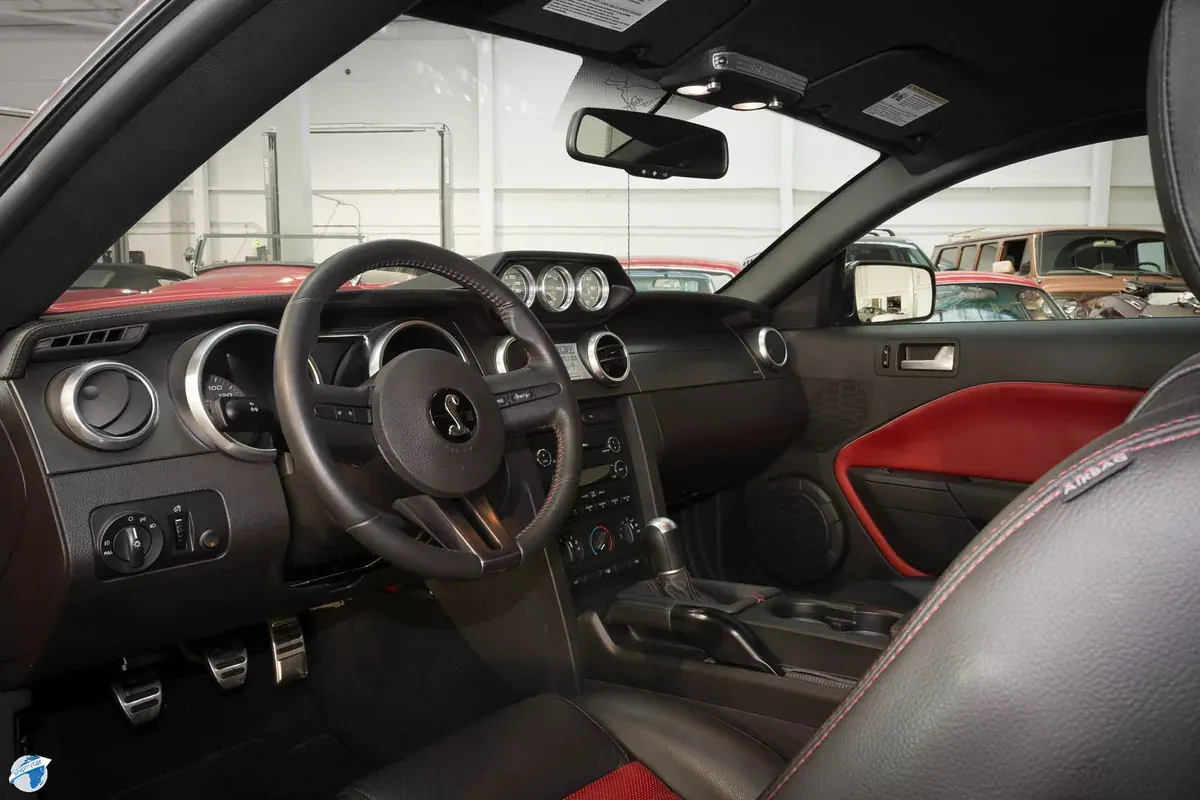
We keep everything looking factory finished, from the rear lamps to the interior controls. Our approach is to integrate the changes neatly into the car’s existing design, preserving the appearance that makes an S197 Mustang special.
There are two approaches to the rear lights. We can discuss the finish you prefer and inspect the lamps before recommending the right option for your Mustang.
1. Replace the complete rear clusters
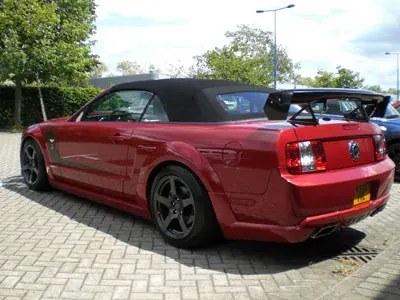
We can replace the whole rear light cluster with a suitable conversion unit, giving the required lighting functions a neatly integrated home. This is an option if you prefer the replacement lens design or your existing clusters need replacing.
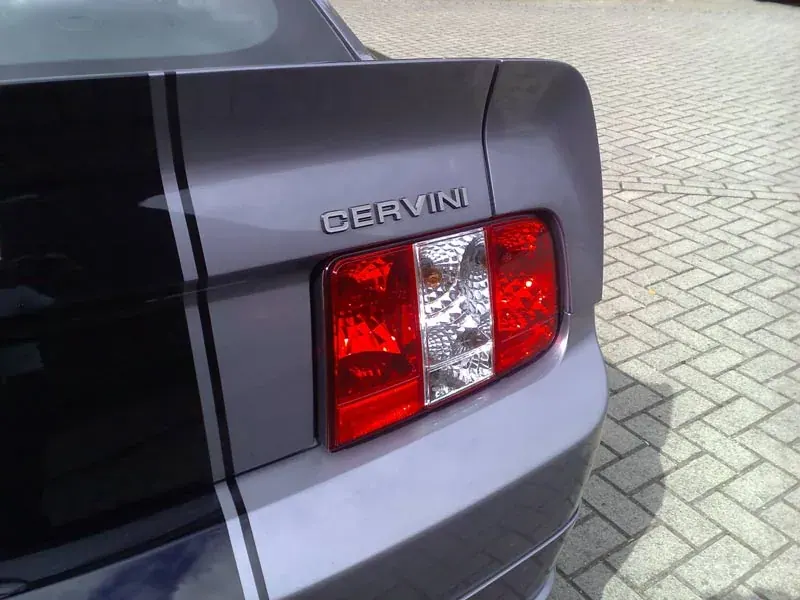
2. Keep the lenses, change the lights inside
We can retain the existing lenses and install new custom lights inside the clusters. This preserves the familiar rear appearance. We check the light emitted through the finished lens, including amber indication, rather than judging compliance by lens colour alone.
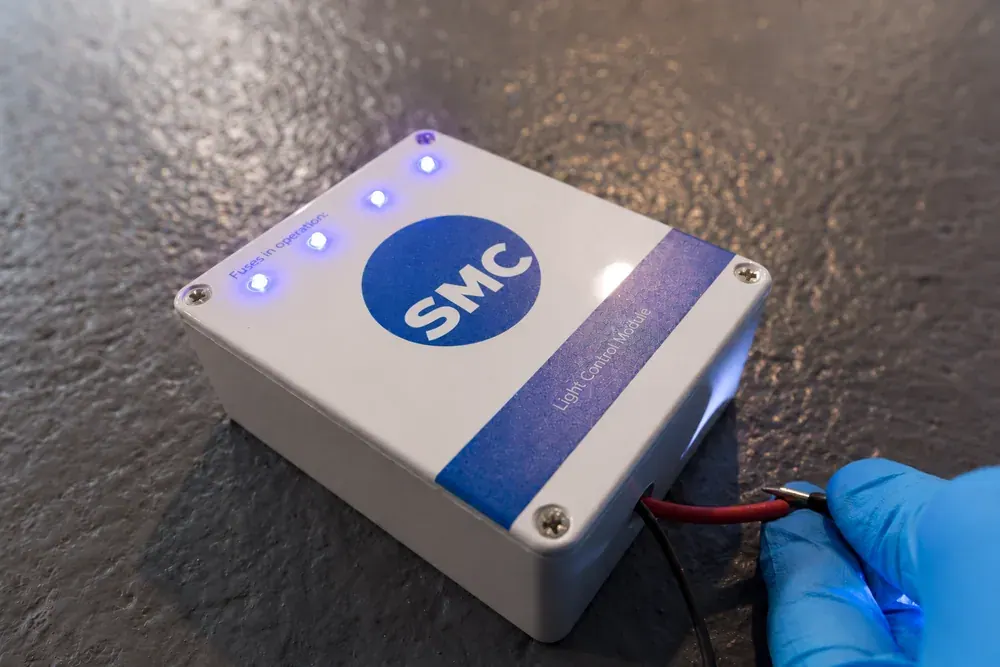
Our own light control module
We developed our own SMC light control module to safely control the lighting changes. It forms part of our conversion approach, allowing us to manage the revised lighting functions while keeping the installation discreet and the finish in keeping with the car.
We check the completed system with the brakes, indicators, hazards and other lights operating together. Correct operation matters just as much as a tidy installation.
What we check for UK use
- Indicators: amber output, correct flashing and no interference from brake lights or other lamps.
- Rear fog light: a red lamp at the centre or UK offside, with suitable controls and operation.
- Headlamps: beam pattern and aim suitable for UK traffic.
- Other lighting: sidelights, brake lights, number-plate lights, reflectors and reversing lights, assessed against the requirements for the car’s date of first use.
These checks follow the DVSA MOT lighting inspection guidance. A conversion must be assessed as a complete installation; fitting a particular cluster alone does not establish compliance.
Our MOT preparation also looks beyond the lights to the condition of the car. Let us know about exhaust, suspension or engine modifications, and any existing conversion work, so we can assess what your Mustang needs.
Mustang experience going back many years
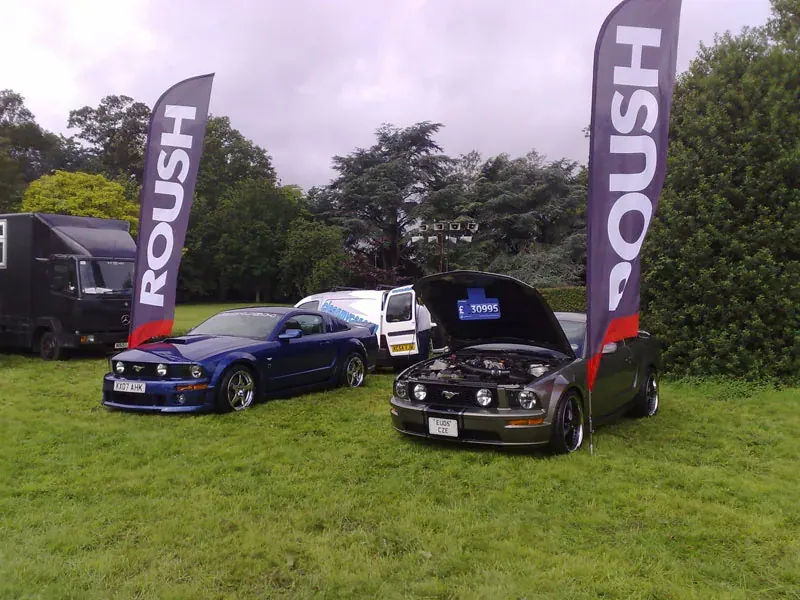
We have been converting these Mustangs for many years, with experience dating back to our time as UK Roush and Cervini dealers. These cars are part of ShipMyCar’s own story, from show cars to customer imports and specialist builds.
Read our ShipMyCar history, including the chapter on becoming Roush and Cervini dealers.
Preserving the details
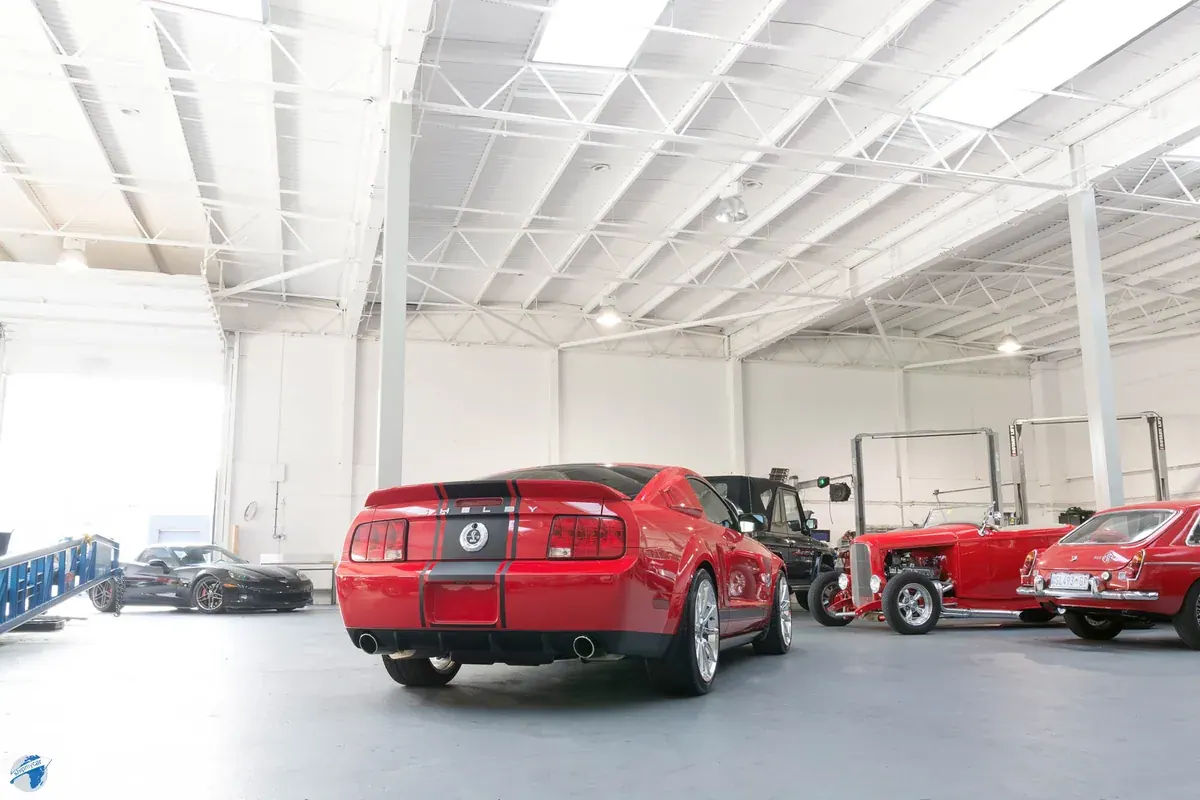
Whether your car is a V6, GT or a specialist Mustang, we plan the conversion around its existing finish. The aim is a car that feels just as carefully put together inside as it looks outside.
Guidance checked September 2026. The approval route and work required depend on the individual vehicle and its documents.