A Resilient Industry
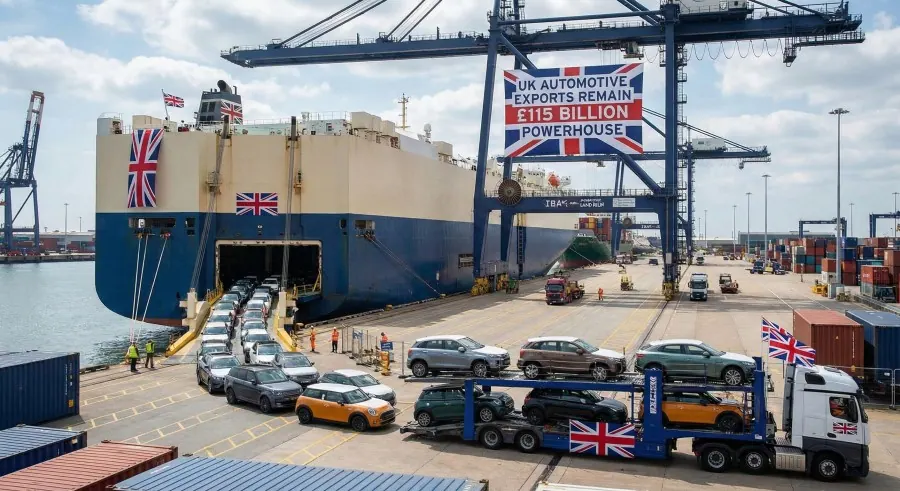
Five years on from Brexit, the Society of Motor Manufacturers and Traders (SMMT) has released figures showing the UK automotive sector remains a formidable global trading powerhouse. The industry is on course to generate more than £110 billion in trade for the third consecutive year.
Despite facing tariff barriers, rising protectionism, and geopolitical uncertainty, UK manufacturers continue shipping vehicles, parts, and components to markets worldwide. This resilience demonstrates the enduring appeal of British-built vehicles and the sector's ability to adapt to challenging trading conditions.
Electric Vehicle Trade Surges
Perhaps the most striking trend in the data is the dramatic growth in UK-EU electric vehicle trade. The value of EV trade between the UK and EU has grown by an astonishing 424% compared with pre-Covid levels - from £4.6 billion in 2019 to nearly £24 billion in the 12 months to June 2025.
UK exports of battery electric, plug-in hybrid, and hybrid electric vehicles to the EU have consistently outpaced internal combustion engine shipments. This shift reflects both changing consumer preferences and manufacturers' investments in electrification.
Key Export Markets
The UK's top export destinations for vehicles remain:
- European Union: Despite Brexit, the EU remains the largest market for UK vehicle exports, benefiting from the Trade and Cooperation Agreement's zero-tariff provisions for qualifying vehicles.
- United States: The May 2025 trade deal opened new opportunities, with the 100,000 vehicle quota offering reduced tariffs for UK manufacturers.
- China: Demand for premium British brands like Jaguar Land Rover, Bentley, and Rolls-Royce continues to grow.
- Australia: A strong market for UK vehicles, bolstered by the UK-Australia Free Trade Agreement.
- Middle East: Gulf states remain significant buyers of luxury and performance vehicles.
Challenges Ahead: 2027 Rules of Origin
While the figures are encouraging, the industry faces a significant challenge on the horizon. Tougher rules of origin for electric vehicles are due to come into force in 2027. Unless localised battery production increases considerably, EVs that don't meet new thresholds will face tariffs of 10-22% when traded across the Channel.
With combustion models facing 0% tariffs, this could make UK-built EVs less competitive in the EU market - a significant concern given the surge in electric vehicle exports documented above.
What This Means for Exporters
For businesses and individuals exporting vehicles from the UK, these trends create opportunities:
- Strong global demand for UK vehicles supports export values
- Established shipping routes to major markets
- Trade agreements providing preferential access to key destinations
- Growing interest in UK electric vehicles internationally
Whether you're a dealer shipping inventory, a collector selling to overseas buyers, or an individual relocating abroad, the infrastructure and expertise exists to move vehicles from the UK to virtually any destination worldwide.