Key Points
- Current US import duty on vehicles is 2.5% - significantly lower than EU's 10% duty on US cars
- Proposed tariffs could increase to 10-25% or higher, adding thousands to export costs
- Currency volatility between GBP and USD adds another layer of uncertainty
- Classic cars and vehicles over 25 years old may qualify for different treatment
- Documentation and proper customs procedures become even more critical
The Current Situation
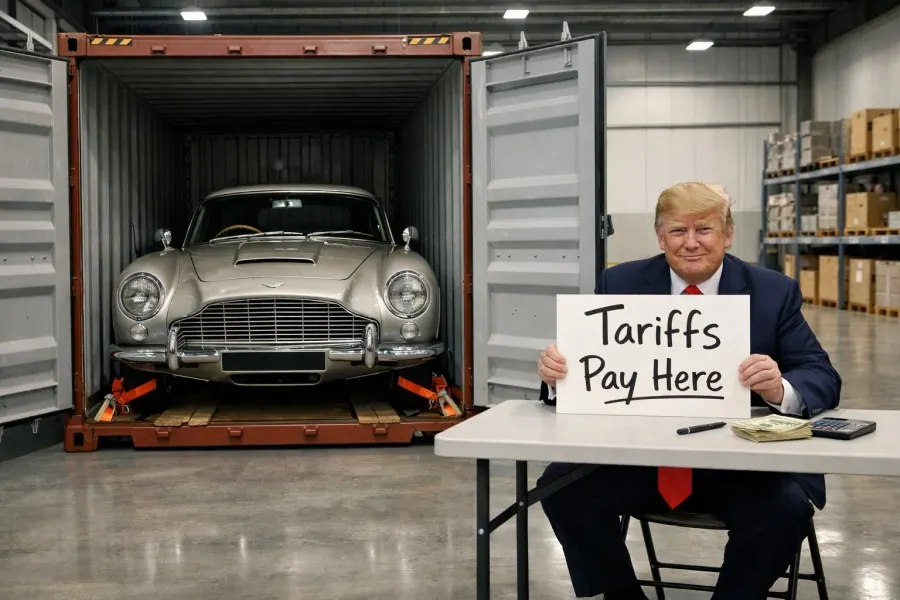
The United States currently imposes a relatively modest 2.5% import duty on passenger vehicles from the UK. This compares favourably to the EU's 10% tariff on American cars, a disparity that has long been a point of contention in transatlantic trade discussions.
However, recent policy statements suggest this could change dramatically. Proposed tariffs ranging from 10% to 25% - or potentially higher - would significantly impact the cost of exporting vehicles from Britain to America.
What This Means for UK Exporters
For someone exporting a £50,000 vehicle to the USA, the difference is substantial. Under current rules, the US import duty would be approximately £1,250. If tariffs increase to 25%, that figure rises to £12,500 - a tenfold increase that would be paid by the US buyer.
This has several implications:
- UK sellers may need to adjust prices to remain competitive
- Some transactions that made financial sense may no longer be viable
- Demand for UK vehicles in the US market could soften
- The timing of your export becomes strategically important
Currency Considerations
Trade tensions often lead to currency volatility. A weaker pound makes UK exports more affordable in dollar terms, potentially offsetting some tariff increases. Conversely, a stronger pound compounds the impact. If you're planning a significant export, consider how exchange rate movements might affect your transaction.
Classic Cars and the 25-Year Rule
Vehicles over 25 years old often receive different treatment under US import regulations, potentially qualifying as "classic" or "antique" vehicles. While this primarily affects safety and emissions compliance rather than tariffs, classic car imports may be subject to different considerations in any trade policy changes.
If you're exporting a classic British car to the USA - whether a vintage Jaguar, an Austin-Healey, or a classic Mini - it's worth understanding how both current and proposed regulations might apply to your specific vehicle.
Documentation and Compliance
Increased tariffs typically come with increased scrutiny at customs. Ensuring your documentation is complete and accurate becomes even more important:
- Vehicle origin documentation: Proving the vehicle is of UK/British origin
- Accurate valuation: The declared value must reflect the true transaction price
- Complete export paperwork: Including NOVA notification and export certificate
- US import forms: EPA and DOT declarations as required